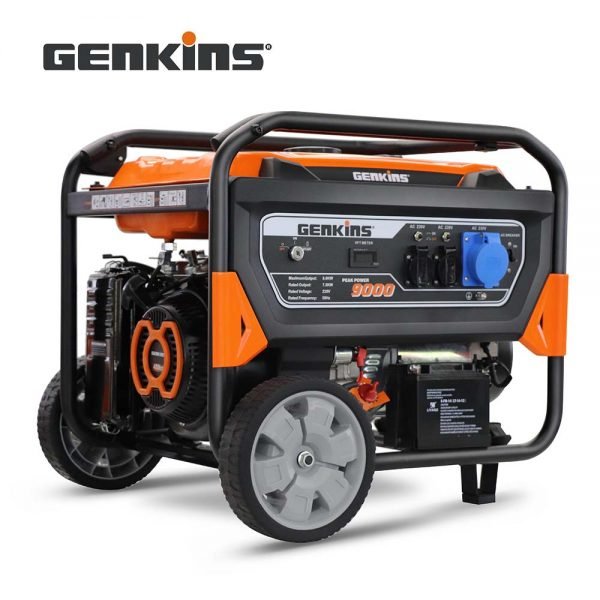
When the power goes out, the hum of silence can be deafening – and inconvenient. For many homeowners, contractors, and event organizers, a robust generator isn't just a luxury; it's a necessity. That's where Understanding 9000w Generators becomes crucial, offering the kind of substantial power needed to keep life running smoothly. This isn't just about having power; it's about having enough power, reliably, and safely.
A 9000-watt generator acts as a versatile workhorse, bridging the gap between small, portable units and whole-home standby systems. It's often the sweet spot for those needing serious temporary power without the commitment of a permanent installation.
At a Glance: Your 9000w Generator Essentials
- Significant Power: Capable of running most large appliances individually and multiple smaller ones simultaneously.
- Running vs. Starting Watts: Always distinguish between the continuous power an appliance needs (running watts) and the brief surge required for startup (starting watts).
- Versatile Applications: Perfect for emergency home backup, demanding construction sites, and outdoor events.
- Key Considerations: Inverter technology for sensitive electronics, fuel type, and voltage requirements are critical.
- Safety First: Always operate outdoors, ensure proper ventilation, and use a transfer switch for home integration.
- Maintenance Matters: Regular checks and servicing ensure longevity and reliable performance.
The Powerhouse: What 9000 Watts Really Means
When you see "9000 watts" advertised on a generator, it generally refers to its running or continuous watts – the sustained power it can deliver day in and day out. But generators also have a starting or surge watt rating, which is the extra burst of power they can provide for a few seconds to kickstart motor-driven appliances. Think of it like this: your car needs more gas to accelerate from a stop than to cruise on the highway.
A 9000-watt generator is typically designed to deliver a brief surge above 9000 watts to handle these initial startup demands. This capability is what makes it so useful for powering a wide array of devices, especially those with induction motors like refrigerators, air conditioners, and power tools. It means you won't trip the generator's breaker just because your fridge compressor cycled on.
Powering Your World: Individual Appliances a 9000w Generator Can Handle
With 9000 watts at your disposal, you're looking at serious muscle. This capacity means you can confidently power many high-demand appliances, though usually one at a time for the absolute biggest energy hogs.
For instance, a 3-ton central air conditioning unit, a common fixture in many homes, requires around 6750 starting watts but only about 2250 running watts. A 9000-watt generator easily handles this load, leaving plenty of headroom for other essentials. Similarly, you could run a clothes dryer, a powerful table saw for a construction project, or many types of welder machines (which often need around 6000 peak watts) without breaking a sweat. Even an electric water heater, typically consuming 3000-4500 watts, can be run on its own.
The key here is understanding that while a 9000w generator has a substantial running capacity, its ability to briefly surge higher is what truly allows it to engage these power-hungry devices.
The Symphony of Power: Running Multiple Appliances Simultaneously
This is where a 9000-watt generator truly shines – its ability to orchestrate the simultaneous operation of several appliances. Instead of a one-trick pony, you get a versatile ensemble. Imagine this:
- You're running a 2-ton central air conditioner (which is less demanding than a 3-ton unit), keeping your home cool.
- At the same time, your refrigerator hums along, preserving your food.
- You can also power a blender for morning smoothies, a dishwasher to clear dinner plates, and a vacuum cleaner for a quick cleanup.
Another practical combination could involve a 2-ton central AC unit paired with your refrigerator, an electric grill for outdoor cooking, a toaster for breakfast, and a coffee maker to get your day started. Even a 3-ton central AC (requiring 3500-4000 running watts) can be comfortably supported alongside other vital appliances, allowing for a much higher degree of normalcy during an outage.
To truly get the most out of your setup, it's wise to consider the kind of power your devices need. Some appliances prefer the cleaner, more stable sine wave provided by specific generator types. You can learn about different generator types to see how they match up with your home's needs.
Beyond the Numbers: Key Considerations Before You Buy
While 9000 watts offers impressive capacity, several factors go beyond the raw numbers to ensure you get the right generator for your specific situation.
Sensitive Electronics and Clean Power
This is a big one. Not all 9000-watt generators are created equal, especially when it comes to powering sensitive electronics like computers, smart TVs, or medical devices. Traditional generators produce what's known as "dirty power" – a less stable sine wave that can potentially harm delicate circuitry.
For these items, clean inverter power is crucial. Inverter generators convert the raw power into a stable AC output, providing a clean sine wave that's safe for all your modern gadgets. If your emergency plan includes working from home or keeping essential electronics online, prioritize a 9000-watt inverter generator. The benefits of inverter technology extend beyond just clean power, often including quieter operation and better fuel efficiency.
Wattage: An Estimation Game
It's important to remember that wattage requirements are often estimations. The actual power draw can vary significantly between individual appliance brands and even models. A 15-year-old refrigerator might use more power than a brand-new energy-efficient one. Always try to find the specific wattage listed on your appliance's data plate or in its manual for the most accurate planning.
Assumed Generator Specifications
When we discuss a 9000-watt generator's capabilities for common home use, we often assume certain baseline specifications. These typically include at least 7250 continuous watts, 30 amps, and the ability to operate at 240 volts (which is essential for larger appliances like central AC units or electric dryers). Many higher-wattage units also feature electric start for convenience.
Fueling Your Power Needs
9000-watt generators come in various fuel types, each with its own pros and cons for runtime, cost, and storage:
- Gasoline: Most common, widely available, but degrades over time if not stabilized.
- Propane (LPG): Longer shelf life, cleaner burning, but lower energy density means larger tanks for equivalent runtime.
- Natural Gas: Requires a direct line, offering indefinite runtime, but portability is lost.
- Dual Fuel: Offers flexibility to switch between gasoline and propane, a popular choice for versatility.
Your choice of fuel will impact how long your generator can run and the logistics of keeping it fueled during an extended outage.
Mastering Your Load: How to Calculate Simultaneous Capacity
Planning your power usage is not just smart; it prevents frustrating overloads. Here's a practical method to ensure your 9000-watt generator can handle everything you throw at it:
- List Everything You Need: Jot down every appliance, tool, and light you intend to run during a power outage or on the job site.
- Find Individual Wattage: For each item, note its running watts and, crucially, its starting watts if it's motor-driven (e.g., refrigerator, freezer, well pump, power tools). This information is usually on a sticker, in the manual, or on the manufacturer's website.
- Sum Running Watts: Add up the running watts for all the devices you want to operate simultaneously.
- Identify Highest Starting Wattage: Look at all your motor-driven devices and find the single highest starting wattage among them. You only need to account for one major startup surge at a time, as it's unlikely all motor-driven devices will start at the exact same moment.
- Calculate Total Required Watts: Add your summed running watts to the single highest starting wattage you identified.
- Compare to Generator Capacity: If this combined sum is within your generator's 9000 running watts (plus its surge capacity for that highest starter), you're good to go! If it exceeds it, you'll need to reduce the number of devices running simultaneously or manage their startup sequence carefully (always start the device with the highest starting watts first, then turn on other appliances).
Example Scenario:
Let's say your 9000w generator has 7250 continuous watts and 9000 starting watts.
- Running Load:
- Refrigerator: 700W
- Lights (several): 200W
- TV: 150W
- Furnace Fan (non-AC): 800W
- Microwave (active): 1200W
- Laptop + Phone Chargers: 100W
- Total Running Watts: 3150W
- Starting Load (highest single surge):
- Refrigerator: 1500W (this is the highest starting watt item in your list)
- Combined Peak Load: 3150W (running) + 1500W (refrigerator start) = 4650W
In this example, 4650W is well within a 9000-watt generator's capacity, even if its continuous rating is closer to 7250W. This shows the significant power available for a comfortable home setup.
A Closer Look: Common Appliance Wattage Guide
To help you with your planning, here’s a quick reference for typical appliance wattages. Remember, these are estimates, and checking your specific appliance is always best.
| Appliance | Typical Running Watts (Estimate) | Typical Starting Watts (Estimate) |
|---|---|---|
| Refrigerator (Standard) | 600 - 800 | Up to 1600 |
| Microwave Oven (1000-1500W) | 1000 - 1500 | - |
| Portable Heater (Medium) | 1500 | - |
| Circular Saw / Drill | 1200 - 1800 | 2500 - 3000 |
| Pressure Washer (Electric) | 2000+ | 3000+ |
| Electric Lawn Mower | 1000 - 1500 | 1500 - 2000 |
| Central AC (3-ton) | 3500 - 4000 | 6000 - 7000 |
| Clothes Dryer (Electric) | 3000 - 5000 | - |
| Sump Pump (1/2 HP) | 1000 | 1500 |
| Well Pump (1/2 HP) | 1000 - 1500 | 2000 - 3000 |
| Electric Water Heater | 3000 - 4500 | - |
| Coffee Maker | 800 - 1500 | - |
| Toaster | 800 - 1500 | - |
| LED/CFL Lights | Very Low (5-20 per bulb) | - |
| TV (LED) | 50 - 200 | - |
| Computer (Desktop/Laptop) | 100 - 300 | - |
Where 9000 Watts Shines: Ideal Applications
A 9000-watt generator isn't a niche tool; it's incredibly versatile. Its power output makes it suitable for a range of demanding situations.
Home Backup Power
For many families, a 9000-watt generator provides the perfect balance for emergency home backup. It can comfortably power not just the essentials (refrigerator, lights, furnace fan, charging stations) but also significant comfort appliances like a central air conditioning unit or a well pump. This means less disruption during extended outages, allowing you to maintain a reasonable level of comfort and functionality. Planning for a power outage often involves designing your home backup power system to ensure seamless transitions.
Construction and Outdoor Jobsites
On a construction site, reliable power is non-negotiable. A 9000-watt generator can be the backbone of your operations, easily powering multiple drills, saws, air compressors, and site lighting simultaneously. Its robust output handles the demanding startup currents of heavy-duty power tools, ensuring your team stays productive without interruption.
Events and Recreational Use
Outdoor events, festivals, and large gatherings often need substantial temporary power. From supporting sound systems and catering equipment to providing power for vendor stalls, a 9000-watt generator can manage these diverse loads. For RV enthusiasts, this level of power means running multiple appliances in a large RV, including its air conditioner, microwave, and entertainment systems, making extended trips much more comfortable.
Keeping the Lights On: Essential Maintenance for Your Generator
A generator is an investment in reliability, and like any engine, it needs proper care to perform when you need it most. Consistent maintenance is the secret to longevity and dependable power.
- Oil Changes: Follow the manufacturer's recommendations religiously for oil changes. Dirty oil can drastically shorten engine life.
- Fuel Stabilization: If your generator runs on gasoline and will be stored for more than a month, use a quality fuel stabilizer. This prevents fuel degradation, which can gum up the carburetor and fuel lines.
- Battery Maintenance: For electric start models, keep the battery charged and ensure connections are clean and tight. A dead battery means no electric start when you need it most.
- Monthly Run: Even if the power doesn't go out, make it a habit to run your generator for 15-20 minutes each month under a light load. This circulates fluids, lubricates components, and keeps the carburetor from gumming up.
- Air Filters and Spark Plugs: Regularly check and clean or replace the air filter and spark plug. A clean filter ensures proper airflow, and a fresh spark plug promotes efficient combustion.
- For a comprehensive overview, checking out essential generator maintenance can save you headaches down the line.
Safety First: Operating Your 9000w Generator Responsibly
The power and convenience of a 9000-watt generator come with significant safety responsibilities. Adhering to these precautions is non-negotiable to protect yourself and your family.
- Operate Outdoors ONLY: This is the golden rule. Generators produce carbon monoxide (CO), an odorless, colorless, and deadly gas. Never, under any circumstances, operate a generator indoors, in a garage, or in any partially enclosed space. Ensure it's placed far away from windows, doors, and vents to prevent exhaust fumes from entering your home.
- Do Not Exceed Rated Wattage: Overloading your generator can damage it, shorten its lifespan, and potentially create electrical hazards like overheating wires. Always stick to your calculated load.
- Install Appropriate Transfer Switches for Home Backup: For connecting a generator to your home's electrical system, you absolutely must install a proper manual or automatic transfer switch. This prevents "backfeeding" electricity into the utility grid, which can severely injure or kill utility workers attempting to restore power. Transfer switch installation best practices are crucial for safe home integration.
- Protect from Rain and Moisture: Water and electricity are a dangerous combination. While generators must be outdoors, they also need protection from rain, snow, and excessive moisture. Use a generator cover or a specially designed generator tent, but ensure adequate ventilation to prevent CO buildup.
- Read the Manufacturer's Manual: This seems basic, but every generator model has specific operating instructions, warnings, and maintenance schedules. Read it thoroughly and keep it handy.
- Proper Fuel Handling: Store fuel safely in approved containers away from living areas and direct sunlight. Never refuel a hot or running generator.
Choosing the Right Fit: Next Steps for Your Power Needs
A 9000-watt generator is a powerful and versatile solution for significant temporary power needs. Whether you're safeguarding your home during outages, powering a demanding job site, or enhancing an outdoor event, understanding its capabilities and limitations is key.
The journey doesn't end with understanding the watts; it continues with smart planning, diligent maintenance, and unwavering commitment to safety. By calculating your specific power requirements, considering inverter technology for sensitive electronics, and always prioritizing safe operation, you can harness the full potential of your 9000-watt generator with confidence and peace of mind.
Ready to find the perfect match for your power demands? Explore our 9000w generator guide for detailed reviews and recommendations tailored to diverse applications.