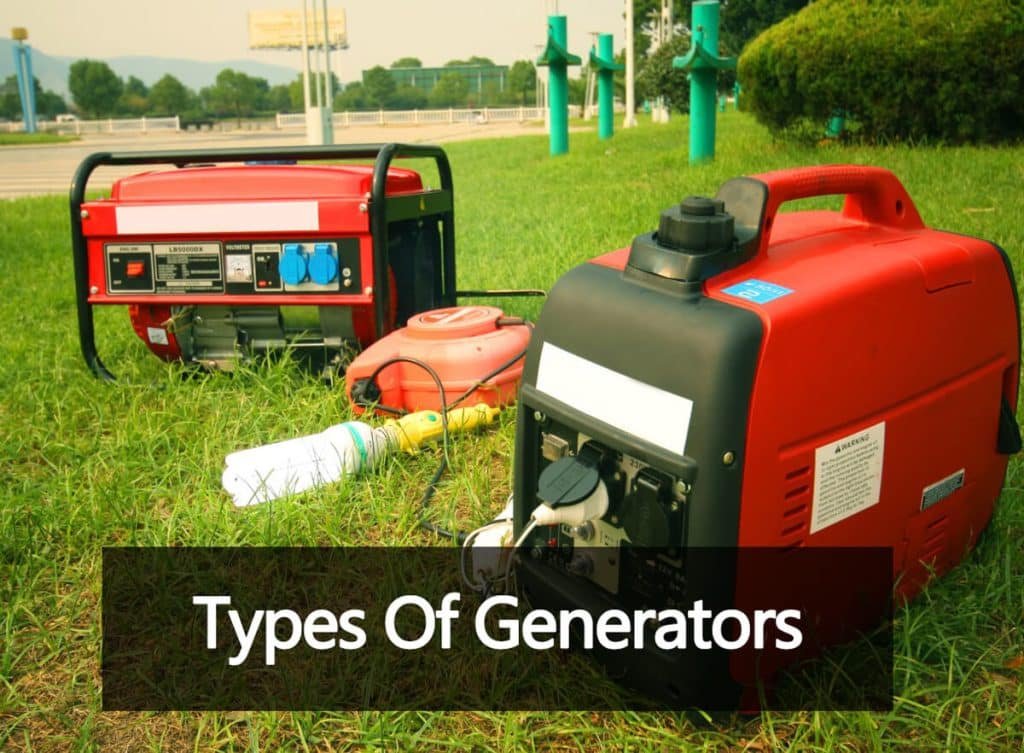
When the lights go out, or you’re far from the grid, a reliable power source isn't just a convenience – it's a lifeline. For many, that source is a 9000-watt generator, a versatile powerhouse capable of running everything from essential home appliances to demanding job site tools. But navigating the world of "9000w" can be tricky. You'll encounter conventional generators, advanced inverter models, and a host of features that can make or break your experience. This guide will walk you through the essential Types & Features of 9000w Generators, helping you understand what truly matters so you can pick the perfect one for your specific needs.
At a Glance: Your 9000W Generator Cheat Sheet
- Inverter vs. Conventional: Opt for an inverter generator for sensitive electronics (laptops, TVs) due to cleaner power (low THD). Conventional generators are fine for tools and lights but risk damaging delicate devices.
- Rated vs. Surge Watts: A "9000w generator" usually means 9000 surge watts, with rated (continuous) watts around 7200-7600. Always match rated watts to your continuous power needs.
- Fuel Options: Dual-fuel (gasoline/propane) and tri-fuel (gasoline/propane/natural gas) models offer flexibility and extended run times, especially during emergencies.
- Noise Matters: Look for dBA ratings, especially for residential or camping use. Inverter generators are generally quieter.
- Portability: Wheels and sturdy handles are a must for these heavier units.
- Safety First: Prioritize models with carbon monoxide (CO) shutoff systems and transfer switch compatibility for home use.
Demystifying the "9000W" Label: Rated vs. Surge Power
You see "9000W" emblazoned on a generator, and your first thought might be, "That's a lot of power!" And it is. However, it's crucial to understand that this figure often refers to the generator's surge or peak wattage. This is the short burst of extra power an engine can deliver for a few seconds to kickstart motors found in refrigerators, air conditioners, or power tools.
The more important number for continuous operation is the rated or running wattage. This indicates the power the generator can reliably produce day in and day out. For a 9000-watt surge generator, you'll typically find its rated capacity closer to 7200 to 7600 watts. Always match your actual appliance and tool needs to the rated watts, leaving a healthy buffer for starting surges. If you need consistent power for an entire house, understanding this distinction is key to preventing overloads and ensuring your appliances run smoothly.
The Inverter Advantage: Clean Power You Can Trust
Here's where the "types" really come into play. When we talk about 9000-watt generators, the biggest differentiator is whether it's a conventional generator or an inverter generator. This isn't just technical jargon; it's a critical distinction that impacts what you can safely power.
Traditional, or "conventional," generators produce raw AC power directly from the engine's RPM. While perfectly fine for basic tools, lights, or resistance heaters, this power often has a higher Total Harmonic Distortion (THD). Imagine a somewhat choppy, uneven electrical wave. For sensitive electronics like laptops, smartphones, flat-screen TVs, or medical devices, this "dirty" power can cause malfunctions, reduce their lifespan, or even damage them beyond repair.
In contrast, an inverter generator takes that raw AC power, converts it to DC, and then uses a sophisticated inverter to convert it back to clean AC power. This process results in a much smoother, consistent electrical wave with very low THD (typically less than 3-5%). This "clean energy" is essentially identical to the power you get from your wall outlets, making inverter generators ideal for safely powering all your sensitive electronics without a second thought. If your plan involves keeping your home office running or charging expensive gadgets during an outage, an inverter model is non-negotiable. For a deeper dive into the advantages of inverter technology, consider exploring further.
Essential Features: What Makes a 9000W Generator Stand Out?
Beyond just power, a truly great 9000W generator offers a suite of features designed to enhance usability, safety, and versatility. Think of these as the practical details that elevate a mere machine into a dependable energy solution.
Fuel Flexibility: More Options, More Reliability
One of the most valuable features in today's generators is the ability to run on multiple fuel sources.
- Dual-Fuel Generators: These typically operate on both gasoline and propane. Gasoline is readily available, but propane offers advantages like longer storage life, cleaner burning, and often easier sourcing during widespread power outages. Propane also tends to be safer to store than gasoline.
- Tri-Fuel Generators: Taking versatility a step further, tri-fuel models add natural gas to the mix. If you have a natural gas line to your home, this can provide an almost unlimited fuel supply, eliminating the need to store or refill fuel tanks. This makes tri-fuel generators exceptionally reliable for extended outages.
When considering a multi-fuel option, ensure it comes with all the necessary hoses and connectors for each fuel type. Models like the Champion 9000-Watt Tri Fuel Inverter Generator (Model 201067 9000) exemplify this, providing everything you need right out of the box. Understanding the versatility of dual-fuel options can greatly impact your emergency preparedness.
Noise Levels: Finding Your Quiet Zone
A generator's hum can quickly become an annoyance, especially in residential areas, campgrounds, or during prolonged use. Noise levels are measured in decibels (dBA), often at a standardized distance of 23 feet and at a certain load (e.g., 25% load).
- Lower dBA = Quieter Operation: Look for ratings around 60-70 dBA. For context, normal conversation is around 60 dBA.
- Inverters are Often Quieter: Due to their ability to adjust engine speed to match the load, inverter generators are typically much quieter than conventional models, which run at a constant, high RPM. The GENMAX GM9000iE series, for instance, boasts an impressive 62 dBA, making it a strong contender for noise-sensitive environments.
- Open-Frame vs. Enclosed: Enclosed inverter models tend to be quieter because the casing helps dampen sound. Open-frame designs, while sometimes lighter, allow more noise to escape.
Portability & Design: Moving Your Powerhouse
While 9000W generators are substantial, they often need to be moved. Practical portability features are crucial:
- Rolling Wheels: Large, sturdy wheels make a significant difference in maneuvering these heavy units (many weigh over 200 lbs).
- Sturdy Handles: Foldable or fixed handles provide a good grip for pushing or pulling.
- Weight: Consider the unit's weight in relation to how often and how far you'll need to move it. The Champion 9000-Watt Tri Fuel Inverter Generator comes in at a relatively manageable 152 lbs, making it one of the lighter options in this power class.
Starting Convenience: Getting Power When You Need It
Fumbling with a pull cord in the dark isn't ideal. Modern 9000W generators offer improved starting mechanisms:
- Electric Start: A simple push of a button or turn of a key powers up the generator quickly. This is a highly recommended feature.
- Remote Start: Even better, some models, like the GENMAX GM9000iE, include remote start capability via a key fob. Imagine starting your generator from the comfort of your home without stepping outside in inclement weather.
- Recoil Start (Backup): Always ensure there's a reliable backup manual recoil start, just in case the battery for the electric start runs low.
Safety First: Protecting Your Home and Family
Generators produce carbon monoxide, an odorless, colorless, and deadly gas. Safety features are non-negotiable.
- Carbon Monoxide (CO) Shutoff: Systems like Champion's CO Shield or GENMAX's CO sensor automatically shut down the generator if dangerous levels of CO are detected. This is a critical safety feature for any generator, especially those used near occupied spaces. You can find more comprehensive information on carbon monoxide safety protocols to keep your family safe.
- Transfer Switch Compatibility: For home backup, generators should be compatible with a manual or automatic transfer switch. This ensures your generator safely integrates with your home's electrical panel, preventing dangerous backfeeding into the utility lines.
- GFCI Outlets: Ground Fault Circuit Interrupter (GFCI) outlets are essential for preventing electrical shock, especially when operating in wet conditions. Most reputable models will include these.
Smart Monitoring & Controls: Stay Informed
Modern generators often feature digital data centers that provide crucial information at a glance:
- Digital Displays: These can show run time, voltage, frequency, load percentage, and fuel levels. This helps you manage usage, predict refueling needs, and monitor the generator's health.
- Remote Pairing: Some models allow you to pair with an app for remote monitoring, further enhancing convenience.
Environmental Compliance: Mind Your Emissions
If you live in a region with strict emission standards, such as California, ensure your chosen generator is CARB compliant (California Air Resources Board). Most generators will also be EPA (Environmental Protection Agency) compliant for general sale in the US.
Finding Your Perfect Match: Key Questions to Ask
Before you commit to a 9000W generator, take a moment to consider your specific needs. This will help narrow down the options and ensure you invest in a machine that truly serves its purpose.
- What will you primarily power?
- Home Backup: Are you looking to run essentials like a refrigerator, lights, and a well pump, or do you want to power a significant portion of your house, including central AC? For sensitive electronics, an inverter is a must. For whole-home coverage, consider the rated wattage carefully.
- RV or Camping: Noise levels and portability become paramount. An inverter generator will protect your RV's delicate electronics and make for a more peaceful experience.
- Job Site: Durability, robust power outlets, and a higher THD might be acceptable if you're only powering heavy-duty tools that aren't sensitive to power quality.
- How often will you use it?
- Emergency Only: For infrequent emergency use, basic features and a good warranty might suffice. Fuel type (e.g., propane for longer storage) becomes important.
- Regular Use (e.g., RVing, Job Site): Invest in features that enhance convenience and longevity, such as remote start, detailed monitoring, and a more robust warranty.
- Where will you operate it?
- Residential Area: Noise is a major factor. Look for models with lower dBA ratings (e.g., 60-68 dBA) and perhaps enclosed designs.
- Remote Area: Noise might be less of a concern, allowing you to consider more budget-friendly conventional models if sensitive electronics aren't involved.
- Near People/Pets: CO shutoff systems are absolutely essential for safety.
- What's your budget?
- Generally, inverter generators with advanced features and multi-fuel capabilities will be more expensive. Conventional generators, while louder and with higher THD, offer a more budget-friendly entry point. Weigh the upfront cost against the long-term benefits and potential risks to your devices.
Spotlight on Top 9000W Generator Models
Now that we've covered the crucial features, let's look at some popular 9000W generator models and see how they stack up against our criteria. We'll differentiate between inverter and conventional types, as this is the most significant factor for most users.
Inverter Generator Powerhouses (Clean Power, Lower THD)
These models are ideal for home backup, RVs, and situations where you need to power sensitive electronics safely.
1. Champion 9000-Watt Tri Fuel Inverter Generator (Model 201067)
- Key Features: This is a truly versatile beast, offering tri-fuel capability (gasoline, propane, natural gas) right out of the box with all hoses included. It features a powerful 420cc engine, electric start, and Champion's CO Shield for safety. It delivers 9000 starting watts and 7250 running watts with less than 3% THD, making it safe for sensitive electronics. An Economy Mode helps save fuel.
- Pros: Exceptional fuel flexibility, low THD, CO safety, digital display (Intelligauge), 3-year warranty.
- Cons: At 72 dBA, it's not the quietest inverter on the list; run time and fuel efficiency aren't its strongest points compared to some peers.
- Best For: Home backup where fuel choice is paramount, especially if you have natural gas access.
2. GENMAX GM9000iE / GM9000iED/C Dual Fuel Inverter Generators
- Key Features: Known for its exceptionally quiet operation (62 dBA at 23 feet, quarter load), the GENMAX series offers 9000 peak watts and 7600 rated watts. The GM9000iE is gas-only, while the GM9000iED/C adds dual-fuel capability (gasoline/propane) and CARB compliance for the 'C' model. All boast low THD (under 3% for iE, under 5% for iED), remote start, a 5-in-1 digital data center, CO sensor, and parallel capability.
- Pros: Very quiet operation, low THD, remote start, comprehensive digital display, dual-fuel option, good run time (10 hours at 50% load for GM9000iE).
- Cons: Heavier than some (233.7 lb), some user reports of functionality issues or customer support challenges, 1-year warranty is shorter than competitors.
- Best For: Residential areas, RVing, or any situation prioritizing quiet operation and clean power for sensitive electronics.
3. DuroMax XP9000iH Dual Fuel Portable Generator
- Key Features: This dual-fuel inverter provides 9000 starting watts and 7600 running watts with less than 5% THD, making it suitable for sensitive electronics. It runs at a respectable 68 dBA and boasts an impressive 20-hour run time at 25% load. Features include electric and remote start, four GFCI outlets, and a CO sensor.
- Pros: Excellent run time, dual-fuel flexibility, remote start, good balance of power and quietness, 3-year residential warranty.
- Cons: Pricier than some, heavier (237 lb), some users report early technical issues or not consistently achieving stated running watts.
- Best For: Extended home backup or remote job sites where long run times between refueling are critical, and clean power is needed.
Conventional Generator Options (Robust Power, Higher THD)
These generators are generally more budget-friendly and suitable for less sensitive applications like construction tools, basic lighting, or well pumps where clean power isn't a primary concern. Be cautious when connecting sensitive electronics directly to these without an external power conditioner or inverter.
4. WEN 11,000-Watt Dual Fuel Portable Generator (DF1100T)
- Key Features: While technically an 11,000W model, it's often compared to 9000W generators due to its versatility and price point. It offers 11,000 surge watts on gasoline and 9,500 on propane, with a simple fuel selection dial and electric start. It's a conventional generator, so expect higher THD.
- Pros: Very high power output, dual-fuel, electric start, included wheel kit.
- Cons: Conventional generator (higher THD, not ideal for sensitive electronics), likely louder than inverter models (dBA not specified but expected to be higher).
- Best For: Heavy-duty job sites or home backup where maximum wattage is the priority and sensitive electronics are not a concern.
5. Predator 9000 Generator
- Key Features: A budget-friendly conventional generator offering 9000 starting watts and 7250 running watts. It has an electric start and four GFCI outlets. However, its noise level is 78 dBA, and its THD is less than 23%, making it unsuitable for sensitive electronics. It offers a decent 13-hour run time at 50% load.
- Pros: Affordable price, good fuel efficiency, electric start, robust power for non-sensitive loads.
- Cons: Very high THD (unsuitable for sensitive electronics), very loud (78 dBA), very short 90-day warranty, wheel kit sold separately.
- Best For: Welding, basic construction sites, or camping where noise and power quality are secondary to cost and raw power.
6. A-iPower SUA9000E Generator
- Key Features: Another conventional, budget-friendly option, providing 9000 starting watts and 7250 running watts. It has an above-average noise level of 76 dBA and an 8.5-hour run time at 50% load. Features include electric start and two GFCI outlets. As a non-inverter, its high THD means it's not for sensitive electronics.
- Pros: Budget-friendly, electric start, 2-year residential warranty.
- Cons: High THD (not for sensitive electronics), loud (76 dBA), fewer customer reviews suggest higher risk, shorter run time than some competitors.
- Best For: Users on a tight budget needing basic, high-wattage power for non-sensitive applications, provided they accept the noise and THD limitations.
This overview should give you a clearer picture of what's available and help you align a model's strengths with your personal priorities. You can always Learn more about 9000w generators to delve deeper into specific models or features.
Common Myths & Misconceptions About 9000W Generators
Let's clear up some common misunderstandings that can lead to a less-than-ideal purchase.
Myth 1: "More watts is always better for home backup."
Reality: While a higher wattage generator can power more, it also typically means a larger, heavier, louder, and more fuel-hungry machine. The goal isn't to get the most watts, but the right watts for your specific needs. Over-sizing your generator means wasted fuel and unnecessary expense. Calculate your essential load carefully, then add a buffer for surge capacity.
Myth 2: "All 9000W generators are the same, just different brands."
Reality: This couldn't be further from the truth. As we've seen, the distinction between an inverter generator (clean power, quiet) and a conventional generator (raw power, louder) is massive. Features like fuel flexibility, starting methods, noise levels, and safety systems also vary widely, significantly impacting performance and user experience.
Myth 3: "You don't need clean power unless you're running computers."
Reality: While computers are the most obvious example, many modern appliances, from smart refrigerators and high-efficiency furnaces to medical devices and charging stations, contain sensitive electronics. Power with high THD can degrade their performance, reduce their lifespan, or cause costly damage over time. When in doubt, clean inverter power is always the safer bet for anything with a circuit board.
Maintenance & Longevity: Keeping Your Powerhouse Ready
A 9000W generator is an investment in peace of mind. To ensure it's always ready when you need it, a little preventative care goes a long way. This isn't just about avoiding breakdowns; it's about extending the life of your unit and ensuring peak performance.
- Regular Oil Changes: Just like your car, your generator's engine needs fresh oil. Follow the manufacturer's recommendations for frequency, typically based on run hours or annually.
- Fuel Storage: If storing gasoline, use a fuel stabilizer to prevent degradation and gumming up the carburetor. For propane, ensure tanks are stored safely and valves are closed. If using natural gas, there's less concern about fuel degradation, but lines should be checked periodically.
- Battery Maintenance: For electric start models, keep the battery charged, especially during long periods of storage. A trickle charger can be very helpful here.
- Run It Periodically: Even if you don't have an outage, run your generator for 15-30 minutes every month or two under a light load. This circulates fluids, lubricates components, and keeps the carburetor (if applicable) from getting gunked up. For more detailed generator maintenance tips, consult your owner's manual.
- Air Filter & Spark Plug: Check and clean/replace these components annually or as needed. A clean air filter ensures proper airflow, and a healthy spark plug ensures reliable ignition.
Powering Up Safely: Crucial Safety Considerations
Operating any generator requires adherence to strict safety guidelines. Ignoring these can lead to serious injury, carbon monoxide poisoning, or fire.
- Outdoor Use ONLY: Generators must always be operated outdoors in a well-ventilated area, far away from windows, doors, and vents to prevent carbon monoxide buildup in enclosed spaces. A minimum distance of 20 feet from your home is often recommended.
- Carbon Monoxide Detectors: Even with CO shutoff features on your generator, it's wise to install battery-operated CO detectors inside your home as an extra layer of protection.
- Proper Grounding: Ensure your generator is properly grounded according to the manufacturer's instructions to prevent electrical shock.
- Safe Fuel Handling: Always refuel a cold generator. Gasoline is highly flammable, and spilled fuel on a hot engine can ignite. Keep fuel stored in approved containers, away from ignition sources.
- Extension Cords: Use heavy-duty, outdoor-rated extension cords that are properly sized for the load. Inspect cords for damage before each use.
- Transfer Switch for Home Integration: If you plan to power your home's electrical system, you must use a professionally installed manual or automatic transfer switch. This prevents "backfeeding" electricity into the utility lines, which can electrocute utility workers.
Making the Smart Choice: Your Next Steps
Choosing the right 9000-watt generator isn't about finding the single "best" model; it's about finding the best fit for your specific needs, budget, and peace of mind. You now have a solid understanding of the key differentiators—the power distinction between rated and surge watts, and the crucial difference between clean inverter power and conventional output.
Take the time to assess your power requirements, consider your desired fuel flexibility, weigh the importance of noise levels, and prioritize essential safety features. Read user reviews for real-world insights, but always cross-reference them with manufacturer specifications. With this knowledge in hand, you're well-equipped to select a 9000W generator that will faithfully serve you for years to come, providing reliable power whenever and wherever you need it most.