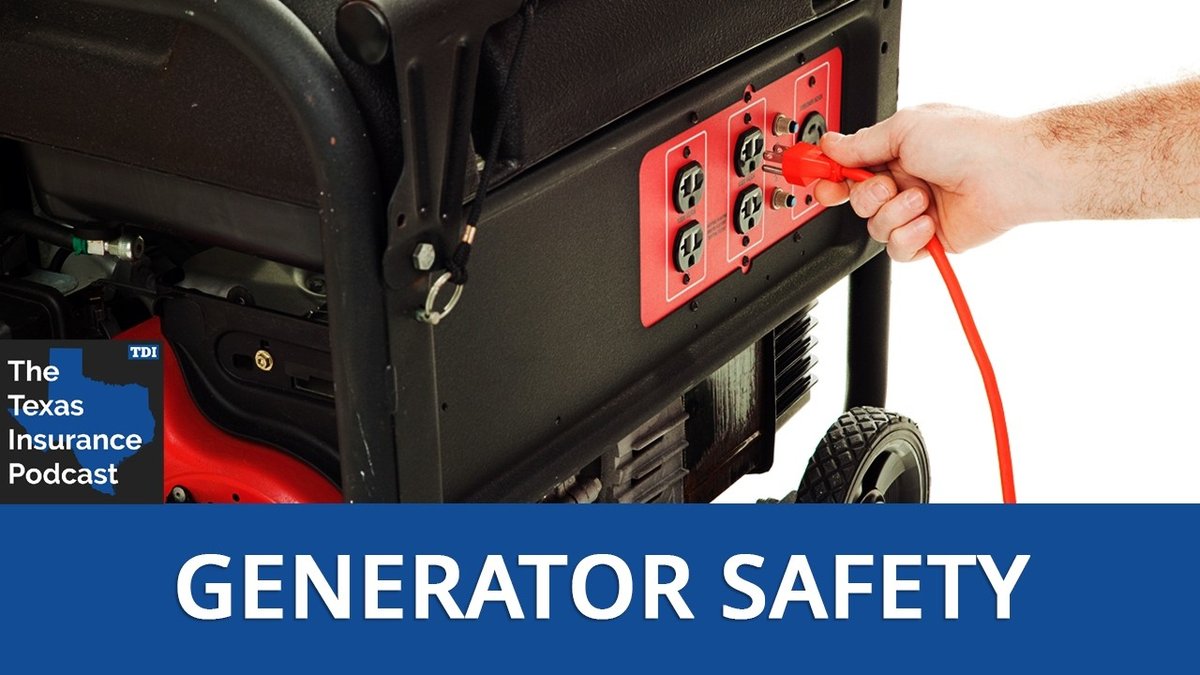
When the lights go out, a 9000-watt portable generator can feel like a lifeline, bringing peace of mind and essential power back to your home. But this powerful piece of equipment, a marvel of modern convenience, demands respect and rigorous adherence to safety protocols. Mastering the Safe Operation of 9000w Generators isn't just about protecting your investment; it's about safeguarding your family, your home, and even utility workers.
Ignoring generator safety can lead to tragic consequences, from the silent, invisible threat of carbon monoxide poisoning to the immediate dangers of electrocution and fire. Our goal here isn't to scare you, but to equip you with the knowledge to operate your generator confidently and securely, ensuring it's a blessing, not a hazard.
At a Glance: Key Generator Safety Takeaways
- Always Outdoor Use: Never operate a generator in an enclosed space, even a garage with an open door.
- 20-Foot Rule: Place generators at least 20 feet from windows, doors, and vents. Point exhaust away.
- No Backfeeding: Absolutely never connect your generator directly to your home's main electrical panel without a proper transfer switch installed by a licensed electrician.
- Proper Refueling: Shut down and let the generator cool for at least 30 minutes before adding fuel.
- Heavy-Duty Cables: Use outdoor-rated, appropriately gauged extension cords.
- Carbon Monoxide Detectors: Install battery-operated CO detectors in your home as a critical backup.
- Read Your Manual: Your generator's specific manual is your ultimate guide.
The Silent Killer: Carbon Monoxide (CO) Awareness
Every portable generator, regardless of its size, produces exhaust fumes containing carbon monoxide (CO). This odorless, colorless, and tasteless gas is incredibly deadly, often called "the silent killer." The U.S. Consumer Product Safety Agency (CPSC) consistently flags CO poisoning as a major concern, linked to hundreds of deaths annually. Your 9000-watt generator, with its robust engine, produces a significant amount of CO, making proper placement non-negotiable.
Why Outside Means Outside
This is the golden rule of generator operation: operate generators only outdoors. Even a garage with an open door is not a safe environment. CO can rapidly accumulate, seep into your home, and quickly become lethal. Imagine a scenario where you're running your generator in a seemingly open garage; winds can shift, exhaust can swirl, and before you know it, dangerous levels of CO are poisoning the air your family breathes.
Your Action Plan for CO Safety:
- Maintain Distance: Position your generator at least 20 feet (about two car lengths) away from your home, and any other buildings, including those of your neighbors.
- Exhaust Direction: Always point the exhaust port away from doors, windows, and vents to prevent fumes from entering living spaces.
- Strategic Placement: Consider prevailing wind patterns if possible. You want the wind to carry exhaust away from your home, not toward it.
- CO Detectors Are Essential: While modern generators often feature built-in CO sensors that shut off the unit if levels get too high, these are a last line of defense, not a substitute for outdoor operation. You still need battery-operated carbon monoxide alarms (and smoke alarms!) installed on every level of your home, especially near sleeping areas. Test them regularly, just like smoke detectors.
Powering Your Home: Electrical Safety First
A 9000-watt generator is powerful enough to run many essential appliances, but connecting it to your home's electrical system requires extreme caution and adherence to specific safety protocols. Incorrect electrical connections are responsible for fires, property damage, and potentially fatal electrocutions.
Backfeeding: The Absolute No-Go
This is perhaps the most dangerous generator mistake you can make. Never, ever backfeed electricity by plugging your generator directly into a wall outlet or connecting it directly to your home's electrical panel without a proper, professionally installed transfer switch.
- The Danger: Backfeeding sends electricity from your generator back into the utility grid. If utility lines are being repaired, line workers could be electrocuted by the unexpected power surge from your generator. On your end, it can damage your appliances, start fires, deny insurance claims, and is illegal in many places.
- The Risk vs. Reward: There is no "hack" or shortcut that makes backfeeding safe. Any online tutorial suggesting otherwise is actively promoting a deadly practice.
The Safe Connection: Transfer Switches
For safely powering your home's circuits, a manual transfer switch is the only approved method.
- How it Works: A transfer switch acts as a gatekeeper, isolating your home's electrical system from the utility grid before your generator can supply power. This ensures no electricity can flow back to the grid. When utility power is restored, the switch allows you to safely switch back.
- Professional Installation: This is not a DIY project. A licensed electrician must install your transfer switch to ensure it meets all local electrical codes and the National Electric Code (NEC).
- GFCI Outlets & Grounding: If your generator has GFCI outlets and you're using a manual transfer switch to power home circuits, your generator must be grounded to a ground rod. The specific requirements can vary, so always consult your generator manual, a licensed electrician, or local building officials. Some generators are "neutral-bonded" (neutral wire connected to the frame), while others are "floating neutral" (neutral not connected). Floating neutral generators generally require grounding to a rod.
Cables and Managing Your Load
Even with a proper transfer switch, the right cables and load management are crucial.
- Heavy-Duty Extension Cords: For directly plugging in appliances, use only heavy-duty, outdoor-rated extension cords that are appropriately gauged for the appliance's power draw and the generator's outlet output. Thin, household cords can overheat, melt, and cause fires. Position them safely, avoiding trip hazards and ensuring they're not run under rugs or through doorways where they could be pinched or damaged.
- Wattage Matching: When using multi-outlet cables, always ensure the total wattage of all connected devices does not exceed the cord's rating or the specific generator outlet's rating. A 9000-watt generator has a lot of power, but individual outlets or cords have limits. For example, trying to power a 1,500-watt electric heater, a 300-watt refrigerator, and a 1,000-watt microwave through a single standard extension cord will undoubtedly overload it, leading to melting insulation and potential fires.
- Preventing Overloads: Overloading your generator, even with its built-in overload protection, can permanently damage the unit. Signs include dimming lights, appliances shutting off, or a strained, louder engine sound. To prevent this, map out your essential appliances and their wattage requirements before an outage. Prioritize what truly needs to run and connect them strategically. Unplug non-essential items immediately if you suspect an overload. For a deeper dive into generator capabilities and how to choose the right size for your needs, check out your complete 9000w generator guide.
Grounding: When and Why
Grounding a generator provides a path for fault currents (like those from a short circuit or lightning strike) to dissipate safely into the earth, preventing electric shock.
- Direct Plug-In: Generally, if you're just plugging appliances or power tools directly into your generator using extension cords, a separate grounding rod isn't usually required. The generator's internal grounding system or GFCI outlets often provide sufficient protection.
- Powering Home Circuits: As mentioned earlier, if you're connecting your generator to your home's electrical system via a transfer switch, grounding becomes a critical consideration. Always consult your generator's manual and a licensed electrician, as grounding requirements can vary based on generator type (neutral-bonded vs. floating neutral) and local codes. When in doubt, call an expert.
Fueling Up: Fire Safety & Maintenance
Generators run on fuel, and dealing with highly flammable liquids like gasoline or propane requires extreme care to prevent fires.
Refueling Safely: The Cool-Down Rule
- Gasoline Generators: Gasoline is volatile and highly flammable, especially when exposed to heat. Always allow your gasoline generator to cool down for at least 30 minutes before attempting to refuel it. Spilled gasoline on a hot engine component can instantly ignite, leading to severe burns or an explosive fire. Shut off the generator, let it cool completely, and then refuel in a well-ventilated area away from any ignition sources.
- Propane Generators: For propane-powered units, a cooling period isn't required. However, you must always shut down the generator before switching out propane tanks. Ensure connections are secure to prevent leaks.
- Fuel Storage: Store fuel in approved containers, away from living areas, heat sources, and direct sunlight. Never store fuel inside your home or garage. Keep it in a shed or detached storage area.
Beyond the Fuel Tank: Preventing Fires
- Clearance from Flammables: Generators produce significant heat, with engine parts reaching hundreds of degrees Fahrenheit. Maintain at least five feet of clearance around your generator, especially from any combustible materials like dry grass, leaves, tarps, or brush. Even purpose-built generator covers are designed to withstand this heat and are made of non-flammable materials.
- Weather Protection: Never use a tarp or construct an improvised shed over your generator during rain or snow. These can restrict airflow, trap heat and exhaust, leading to overheating, fire, or CO poisoning. Instead, invest in a specially designed, open-sided generator cover or enclosure that allows for proper ventilation and heat dissipation while keeping the unit dry.
Operational Best Practices
Running your generator isn't just about plugging things in. There's a proper sequence and general care that will extend its life and ensure safe, efficient operation.
Startup and Shutdown Protocols
Following these steps minimizes surges and protects your generator and connected appliances:
- Startup:
- Ensure the generator is on a level surface, outdoors, and away from combustibles.
- Check fuel and oil levels.
- Make sure no devices are plugged into the generator outlets.
- Follow your manual's specific starting instructions (choke, fuel valve, starter cord/button).
- Allow the generator to run for a few minutes without a load to stabilize.
- Begin plugging in appliances one by one, starting with the highest wattage items.
- Shutdown:
- Disconnect all appliances and devices from the generator.
- Allow the generator to run for a few minutes without a load. This helps it cool down evenly and circulate oil.
- Follow your manual's specific shutdown procedure (turn off generator, then fuel valve if applicable).
Run Time and Rest
Generators, like any engine, need breaks. Most manufacturers recommend resting generators for at least 30 minutes after 24 hours of continuous use. This allows crucial components to cool down and prevents excessive wear from prolonged heat. Always check your specific generator manual for its recommended run cycles. Overuse can significantly shorten its lifespan and lead to premature breakdowns.
Generator Storage: Off-Season Care
Proper storage is key to ensuring your generator is ready when you need it most and avoids costly repairs.
- Fuel Management for Storage: If you plan to store your gasoline generator for an extended period (more than 30 days), it's crucial to prepare its fuel system.
- Empty the Carburetor: Close the fuel valve (if equipped) and let the generator run until it stalls from lack of fuel. This empties the carburetor, preventing stale fuel from leaving gummy residues that clog fuel passages.
- Fuel Stabilizer: For any remaining fuel in the tank (or if you can't run the carburetor dry), add a high-quality fuel stabilizer. This prevents gasoline from oxidizing, absorbing water, and turning into varnish over time.
- Ethanol-Free Gas: If available, consider using ethanol-free gasoline mixed with a stabilizer for generators. Ethanol can attract and absorb water, causing corrosion in the fuel system.
- Propane Generators: Propane doesn't degrade like gasoline, so long-term fuel storage is less of a concern. However, ensure tanks are properly stored according to safety guidelines.
- General Storage: Clean the generator thoroughly, cover it with a breathable cover, and store it in a dry, protected area, away from extreme temperatures and moisture.
Common Generator Myths Debunked
Let's clear up some misunderstandings that can lead to unsafe practices.
- Myth 1: "It's fine in the garage if the door is open."
- Reality: Absolutely not. As discussed, CO can quickly build up in enclosed or partially enclosed spaces, even with an open door. The gas can also seep through walls, windows, and vents into your home. Outdoor operation is the only safe option.
- Myth 2: "My new generator has a CO sensor, so I don't need to worry as much."
- Reality: While modern CO-sensing generators are an excellent safety feature, they are an additional safeguard, not a replacement for outdoor placement. They are designed to shut down the generator if CO levels in the immediate vicinity become dangerously high, but relying solely on this means you're waiting for a hazardous situation to develop.
- Myth 3: "I can just plug my generator into any wall outlet to power my house."
- Reality: This is backfeeding, and it's incredibly dangerous and illegal. You risk electrocuting utility workers, damaging your electrical system, and causing fires. A properly installed transfer switch is the only safe and legal way to connect a generator to your home's wiring.
Your Generator's Lifeline: The Owner's Manual
We've covered a lot of general safety guidelines here, but there's one resource that trumps all: your generator's owner's manual. This document contains crucial information specific to your make and model, including:
- Exact startup and shutdown procedures.
- Recommended maintenance schedules (oil changes, filter replacements).
- Specific fuel requirements and capacities.
- Detailed grounding instructions.
- Troubleshooting guides.
- Warranty information.
Treat your manual as your generator's bible. Keep it in a safe, accessible place, and refer to it regularly.
Putting It All Together: Your Generator Safety Checklist
Before the next storm hits, make sure you're prepared with this quick checklist:
- Location: Is your generator stored in a safe, dry place? Do you have a designated outdoor spot at least 20 feet from your home's openings, with exhaust pointed away?
- Fuel: Do you have fresh fuel (with stabilizer if appropriate) stored safely in approved containers?
- Electrical: If powering your home, is a transfer switch professionally installed? Do you have appropriate heavy-duty, outdoor-rated extension cords?
- CO Detectors: Are battery-operated CO detectors installed and tested in your home? Do you have spare batteries?
- Maintenance: Has your generator received its recommended maintenance? Is the oil level correct? Air filter clean?
- Emergency Kit: Have you included your generator manual, a fire extinguisher, and a first-aid kit in your emergency supplies?
- Practice: Have you done a test run recently to ensure your generator starts and operates correctly?
By taking these steps, you're not just ready for the next power outage; you're ready to face it safely and confidently. Your 9000-watt generator is a powerful tool designed to protect your comfort and essential services during emergencies. With careful planning and adherence to safety guidelines, it will serve you well for years to come.