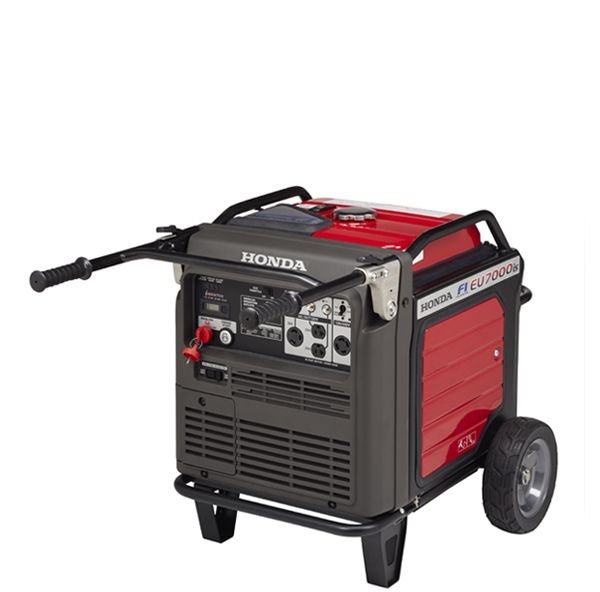
When the lights go out, the hum of a reliable generator can be the most comforting sound. But when that hum turns into a roar, your peace of mind quickly diminishes. That's why navigating the world of backup power requires a specialized compass, especially when you're seeking a quiet 9000w generator buying guide. You want enough power to keep your home running smoothly without disrupting your neighbors or your sanity.
This isn't just about wattage; it's about smart, thoughtful backup power that integrates seamlessly into your life. Whether you're safeguarding your home, powering a demanding job site, or enhancing your RV adventures, choosing the right 9000-watt generator—one that prioritizes both muscle and whisper-quiet operation—is a game-changer.
At a Glance: Your Guide to Quiet 9000W Generators
- Prioritize Low dBA: Look for generators under 70 dBA; 60-62 dBA is exceptionally quiet, often found in inverter models.
- Inverter Technology is Key: Offers cleaner power (low THD) for sensitive electronics and significantly quieter operation.
- Dual Fuel Flexibility: Consider models that run on both gasoline and propane for versatility and extended fuel options.
- Essential Safety Features: Carbon monoxide (CO) shutoff, low oil shutdown, and overload protection are non-negotiable.
- Check Peak & Running Watts: Ensure the generator meets both your initial surge demands and continuous power needs.
- Portability Matters: Wheels, handles, and electric/remote start make operation much easier.
Why 9000 Watts Hits the Sweet Spot for Home Backup
A 9000-watt generator sits comfortably in the sweet spot for many homeowners. It’s powerful enough to handle critical appliances like your refrigerator, freezer, sump pump, lights, and even some larger items like a well pump or a central AC fan (though not usually the compressor of a large central AC unit simultaneously with other heavy loads). This capacity means you're not just limping along during an outage; you're maintaining a significant degree of normalcy.
Choosing a 9000-watt model offers a substantial upgrade over smaller, less versatile units, providing the resilience your home truly needs without the larger footprint or fuel consumption of a much bigger generator. It's about finding that balance between robust capability and practical efficiency.
Understanding the "Quiet" Factor: Decibels & Your Peace of Mind
Generators, by their nature, produce noise. But the level of that noise makes all the difference. Measured in decibels (dBA), this rating is crucial for residential use, particularly if your generator will be running for extended periods.
- Above 70 dBA: Often likened to a loud vacuum cleaner or a busy street. Can be disruptive to neighbors and uncomfortable for continuous operation near your home.
- 60-70 dBA: Comparable to normal conversation or an air conditioner. More tolerable for home use, but still noticeable.
- Below 65 dBA (Super Quiet): This is where inverter generators truly shine. Think of it like a quiet dishwasher or a humming refrigerator. It allows for normal conversation, doesn't disturb neighbors, and vastly improves the quality of life during an outage.
Most truly quiet 9000W generators achieve their low dBA ratings through advanced inverter technology and superior acoustic dampening. This isn't just a luxury; it's a practical consideration for compliance with noise ordinances, maintaining neighborly relations, and simply enjoying a less stressful experience during a power disruption. To dive deeper into how different generator types impact noise and efficiency, you might want to explore the pros and cons of inverter vs. conventional generators.
The Engine Behind the Silence: Inverter vs. Conventional Generators
When discussing quiet generators, inverter technology inevitably comes to the forefront. Understanding the difference is key to making an informed decision:
- Conventional Generators: These run at a constant engine speed (usually 3600 RPM) to produce a consistent 60 Hz AC power. While reliable, this constant high speed means they're typically louder and less fuel-efficient, as they always produce maximum power regardless of the load. Their power output can also have a higher Total Harmonic Distortion (THD), which means the electrical current isn't as "clean," potentially harming sensitive electronics.
- Inverter Generators: The sophisticated choice for quiet operation and clean power. Inverter models use a microprocessor to control the engine speed, allowing it to rev up or down based on the actual power demand. This "smart throttle" drastically reduces noise levels and improves fuel efficiency. Crucially, they convert AC power to DC, then back to AC, creating a much cleaner sine wave (typically <3% THD)—perfect for laptops, smartphones, and other delicate electronics.
For a 9000W output, especially if you're looking for quiet operation and clean power for home backup, an inverter generator is almost always the superior choice.
Decoding the Essentials: What to Look for in a 9000W Quiet Generator
Choosing the right generator means looking beyond just the headline wattage. Here's a deeper dive into the features that matter most for a quiet and reliable 9000W unit.
Power Output & Cleanliness: Don't Just Count Watts
- Peak (Starting) vs. Running Watts: This is critical. Peak watts are the brief surge of power needed to start motor-driven appliances (like refrigerators or AC units). Running watts are the continuous power required to keep them operating. Ensure your chosen 9000W generator provides enough running watts for your essential items and sufficient peak watts for their startup. Many 9000W peak generators have 7000-7600 running watts.
- Total Harmonic Distortion (THD): As mentioned, for sensitive electronics, you want low THD. Inverter generators typically boast less than 3% THD, which is crucial for safely powering devices like computers, medical equipment, and modern appliances with intricate circuit boards.
Fuel Type: Gas, Dual Fuel, and Your Preferences
- Gasoline: The most common fuel type, widely available. However, gasoline has a shorter shelf life and can be less efficient than propane.
- Dual Fuel: Offers the best of both worlds. These generators can run on either gasoline or liquid propane (LPG). Propane has a longer shelf life, burns cleaner, and is easier to store indefinitely. Having both options provides incredible flexibility, especially during prolonged outages or if gasoline becomes scarce. Understanding the specific benefits of dual fuel generators can help you decide.
Noise Level: Making Peace with Power
We've touched on this, but it bears repeating. For home backup, a low noise level is paramount.
- Target 60-65 dBA: This range is ideal for residential areas. Many top inverter models fall into this category.
- Location Matters: Even a quiet generator benefits from strategic placement. Consider distances from living areas and neighbors.
Portability & Usability: Ease of Transport and Operation
A generator is an investment, and you want one that's easy to live with.
- Wheeled Kits and Handles: Given the weight of a 9000W unit, integrated wheels and sturdy handles are non-negotiable for moving it around your property.
- Electric Start & Remote Start: Say goodbye to pull cords. Electric start (push-button) is a huge convenience, and remote start with a key fob allows you to power up from a distance.
- Digital Displays (Intelligauge/Data Center): These provide crucial real-time information: voltage, frequency, running hours, and load level. This helps you monitor performance and schedule maintenance.
- Fuel Gauge: Essential for keeping an eye on remaining runtime.
Safety First: Non-Negotiable Features
Safety should always be a top priority. No matter how quiet or powerful, a generator must be safe.
- Carbon Monoxide (CO) Shutoff: Absolutely critical. CO is an odorless, colorless, deadly gas. Features like Champion's CO Shield or WEN Watchdog automatically shut off the generator if dangerous levels of CO are detected. This is a life-saving technology. To learn more about essential safety protocols, check out generator safety tips.
- Low Oil Shutoff: Protects your engine from damage by automatically turning off the unit if oil levels fall too low.
- Overload Protection (Circuit Breakers): Prevents damage to the generator and connected appliances if too much power is drawn.
- GFCI Outlets: Ground Fault Circuit Interrupter outlets offer added protection against electrical shock.
Additional Functionalities: Enhancing Your Experience
- Parallel Capability: Allows you to link two compatible generators together (usually with a special kit) to double your power output. This offers scalability and redundancy.
- Economy Mode / Low Idle Mode: When the generator isn't under heavy load, this feature reduces engine speed, saving fuel and further decreasing noise.
- EV Battery Charging: Some modern units, like the WEN DF680iX, offer specialized outputs (e.g., bonded-neutral 240V setup) for charging electric vehicle batteries, a niche but growing demand.
- Automatic Fuel Shutoff (for Storage): For gasoline generators, this allows the engine to run until the carburetor is empty, preventing fuel-related issues during long-term storage.
Top Contenders for Quiet 9000W Generator Power
Based on performance, features, and user feedback, here are some of the standout models that deliver on the promise of quiet, reliable power.
GENMAX GM9000iE Portable Quiet Gas Generator
This unit is a prime example of an inverter generator designed for quiet, powerful backup.
- Power & Engine: A robust 458cc 4-stroke OHV engine delivers 9000 peak watts and a solid 7600 running watts. This is more than enough to handle most home essentials.
- Whisper-Quiet Operation: Operates at an impressive 62 dBA at 23 feet (quarter load), putting it firmly in the "super quiet" category. You'll barely notice it running.
- Clean Power: With less than 3% THD, it's safe for all your sensitive electronics.
- User-Friendly: Features a sturdy steel handle and wheels for portability, a digital control center (displaying hours, voltage, load), and convenient remote start.
- Expandable Power: Includes parallel capability, allowing you to link it with another compatible GENMAX unit for up to 18,000 peak watts if your needs grow.
GENMAX GM9000iEDC Dual Fuel Generator
Taking the GM9000iE's strong foundation, the EDC model adds the highly sought-after dual fuel capability.
- Dual Fuel Versatility: Runs on both gasoline and propane, offering flexibility in fuel sourcing and storage. You can transition between fuels seamlessly.
- Power & Engine: Same reliable 458cc engine, providing 9000 peak watts and 7600 running watts.
- Exceptional Quietness: Maintains the 62 dBA noise level at 23 feet, ensuring peaceful operation.
- Fuel Efficiency: Features a 6.9-gallon fuel tank and a low idle mode to optimize fuel consumption during lighter loads.
- Advanced Controls: Comes with a digital data center (hours, voltage, frequency, gas), remote start with a key fob, and a durable steel handle and wheeled frame.
Champion Power Equipment 9000W Quiet Backup Generator
Champion is a well-regarded name in the generator world, and this model brings their reputation for reliability to the quiet 9000W class.
- Reliable Performance: Equipped with a 420cc engine, it offers 9000 starting watts and 7250 running watts, suitable for robust backup.
- Runtime: Provides up to 10.5 hours of runtime on gasoline, giving you extended operation during outages.
- Noise Level: Rated at 72 dBA, it's quieter than many conventional generators but a bit louder than the inverter-based "super quiet" models. This makes it a solid option if absolute whisper-quiet isn't the absolute top priority but still significantly better than typical construction-site generators.
- Crucial Safety: Incorporates CO Shield technology, automatically shutting down the generator if dangerous carbon monoxide levels are detected.
- Fuel Efficiency: Features an Economy Mode to conserve fuel during periods of lower power demand.
- Smart Monitoring: An Intelligauge displays voltage, frequency, and operating hours for easy monitoring.
Pulsar PGD95BISCO Super Quiet 9500W Dual Fuel Generator
Pulsar delivers impressive power and quietness with its dual-fuel inverter offering.
- High Power Output: Boasts 9500 peak watts and 7600 rated watts on gasoline (slightly lower on LPG), offering ample power for demanding loads.
- Super Quiet Inverter: Operates at a low 62 dBA, thanks to its inverter technology, which also ensures clean sine wave power.
- Dual Fuel Advantage: Enjoy the flexibility of switching between gasoline and LPG.
- Multiple Starting Options: Features convenient remote control start and electric start.
- Comprehensive Safety: Includes multiple safety sensors: CO shutdown (a vital feature), low oil shutdown, and low battery shutdown, providing peace of mind.
WEN DF680iX Dual Fuel Quiet Portable Generator
While slightly below the 9000W running power of others on this list, the WEN DF680iX stands out for its unique features and exceptional quietness, making it a worthy consideration for specific needs.
- Output & Efficiency: Provides 6800 surge watts and 5100 running watts on gasoline (slightly reduced on propane) from its efficient 224cc engine. If your critical load calculations fall within this range but you prioritize quietness, it's an excellent choice.
- Ultra-Quiet: WEN generators are known for their quiet operation, making this an ideal choice where noise is a paramount concern.
- EV Charging Ready: A standout feature is its ability for electric vehicle battery charging (requiring a bonded-neutral 240V setup), catering to the growing EV market.
- Enhanced Safety: Equipped with the WEN Watchdog CO shutdown sensor, providing critical carbon monoxide protection.
- Storage Friendly: Includes a fuel shutoff feature, allowing the carburetor to run dry for extended storage, preventing gumming and maintenance headaches.
Sizing Your Generator: The Power Calculation Made Easy
Choosing a 9000W generator is a great start, but you still need to ensure it matches your specific needs. Over-buying wastes money and fuel; under-buying leaves you in the dark.
- List Your Essentials: Walk through your home and list every appliance, light, and electronic you absolutely need during an outage.
- Find Running & Starting Watts: For each item, find its running wattage (what it uses continuously) and starting wattage (the brief surge it needs to kick on). This information is usually on a label on the appliance or in its manual. If not, a quick online search for "[Appliance Name] running watts" will often give you a good estimate.
- Example: Refrigerator: 800 running watts / 2000 starting watts
- Example: Sump Pump: 1000 running watts / 2500 starting watts
- Example: Lights (10 x 60W bulbs): 600 running watts
- Example: TV: 200 running watts
- Calculate Total Running Watts: Add up the running watts of all the items you want to operate simultaneously.
- Identify the Largest Starting Wattage: Look for the single appliance on your list with the highest starting wattage. This is your "peak" demand.
- Add Largest Starting to Remaining Running Watts: Your generator's peak wattage must accommodate your highest starting load while other essential items are already running.
- Example Scenario:
- Total Running Watts (Fridge, Lights, TV): 800 + 600 + 200 = 1600W
- Largest Starting Wattage (Sump Pump): 2500W
- Your generator needs at least 1600W (for continuous items) + 2500W (for the sump pump to start) = 4100W peak. The 9000W peak generators on our list easily handle this, allowing for plenty of headroom.
Remember, a 9000W peak / 7600W running generator offers considerable flexibility. It can likely power your refrigerator, freezer, multiple lights, a TV, a sump pump, microwave, and even a window AC unit (depending on its size) – but perhaps not all at once, or you might need to manage starting loads. To get a more detailed plan, you might want to look into how to calculate your exact generator needs.
Setting Up for Success: Basic Installation and Safety
Getting your generator ready is more than just adding fuel. Here's a quick rundown of essential steps and safety reminders.
- Read the Manual: This is non-negotiable. Every generator has specific startup, operation, and maintenance instructions.
- Outdoor Use ONLY: Generators produce deadly carbon monoxide. Always operate them outdoors, far away from windows, doors, and vents that could allow fumes to enter your home. Maintain at least 15-20 feet of clearance. Even with CO shutoff sensors, outdoor placement is paramount.
- Proper Fueling: Use fresh, appropriate fuel. If it's a dual-fuel model, ensure you're using the correct fuel type for your chosen operation. Store fuel safely in approved containers.
- Stable, Level Surface: Place your generator on a dry, level surface to prevent tipping and ensure proper oil distribution.
- Extension Cords & Transfer Switches:
- Extension Cords: For simple, temporary use, use heavy-duty, outdoor-rated extension cords to power individual appliances. Ensure the cords are rated for the appliance's wattage.
- Manual Transfer Switch (Recommended for Home Backup): For connecting directly to your home's electrical system, a manual transfer switch (installed by a licensed electrician) is the safest and most efficient method. It prevents backfeeding the utility lines, which can be deadly for utility workers. Never "backfeed" by plugging the generator directly into a wall outlet.
Maintenance for Longevity: Keeping Your Power Source Ready
A well-maintained generator is a reliable generator. Follow these tips to ensure your 9000W unit is always ready when you need it:
- Regular Oil Changes: Refer to your manual for the recommended schedule (usually after the first 20-25 hours, then every 50-100 hours). Use the correct oil type.
- Check Spark Plug: Inspect and replace the spark plug as needed to ensure easy starting.
- Air Filter: Clean or replace the air filter regularly, especially in dusty environments. A dirty filter chokes the engine.
- Fuel Stabilizer: If storing gasoline for extended periods, use a fuel stabilizer to prevent it from degrading and gumming up the carburetor. For dual-fuel units, consider running the carburetor dry before long-term storage if using gasoline.
- Battery Maintenance: If your generator has an electric start, keep the battery charged. Some units have a trickle charger.
- Test Run Regularly: Start your generator every month or two and let it run for 15-20 minutes under a small load. This keeps parts lubricated, cycles fuel, and confirms it's in working order.
Common Questions About Quiet 9000W Generators
Can a 9000W generator power central air conditioning?
A 9000-watt generator typically has enough running watts to power the fan of a standard central AC unit and maybe a smaller compressor, but usually not a large central AC compressor along with other major appliances simultaneously. A typical 3-ton central AC unit can require 3000-5000 running watts and 9000-15000 starting watts. You'd likely need a larger generator (12,000+ watts) or a whole-home standby unit to run a full-sized central AC system comfortably. For a 9000W generator, a window AC unit is usually a more feasible option.
How loud is 62 dBA in real life?
62 dBA is roughly equivalent to a normal conversation, a quiet dishwasher, or the hum of an air conditioner from a distance. It's generally considered very quiet for a generator and is unlikely to disturb neighbors or interfere with activities near the unit. This is significantly quieter than standard conventional generators, which often operate in the 70-80 dBA range.
Are inverter generators worth the extra cost?
For most homeowners seeking quiet backup power for sensitive electronics, yes, inverter generators are absolutely worth the investment. They offer:
- Significantly quieter operation.
- Cleaner power (low THD) safe for all electronics.
- Better fuel efficiency due to variable engine speed.
- More compact and lighter designs for easier portability.
While the initial cost might be higher, the benefits in comfort, safety for your devices, and operational efficiency often outweigh it.
Can I run a 9000W generator indoors if it has a CO sensor?
Absolutely NOT. A CO sensor is a crucial safety feature meant to shut down the unit if dangerous CO levels are already present. It is not an invitation to operate the generator indoors or in partially enclosed spaces. Carbon monoxide can build up rapidly and be fatal before a sensor triggers or before you realize there's a problem. Always operate generators outdoors in well-ventilated areas, far from any openings into a building.
Making Your Confident Choice for Quiet Power
Choosing a 9000W quiet generator for your home is about empowering yourself with reliable backup power without sacrificing your peace and quiet. You've now got the playbook: understand your wattage needs, prioritize low dBA ratings (especially with inverter technology), embrace dual fuel flexibility, and never compromise on essential safety features.
Whether it's the super quiet GENMAX GM9000iE for gas-only reliability, the versatile GENMAX GM9000iEDC for dual fuel peace of mind, or one of the other powerful contenders, each offers a compelling solution for keeping your life running when the grid can't. Take the time to match the specs to your specific situation, and you'll be ready for whatever comes your way. To continue exploring your options and deepen your understanding, you can always learn more about 9000w generators and their capabilities.